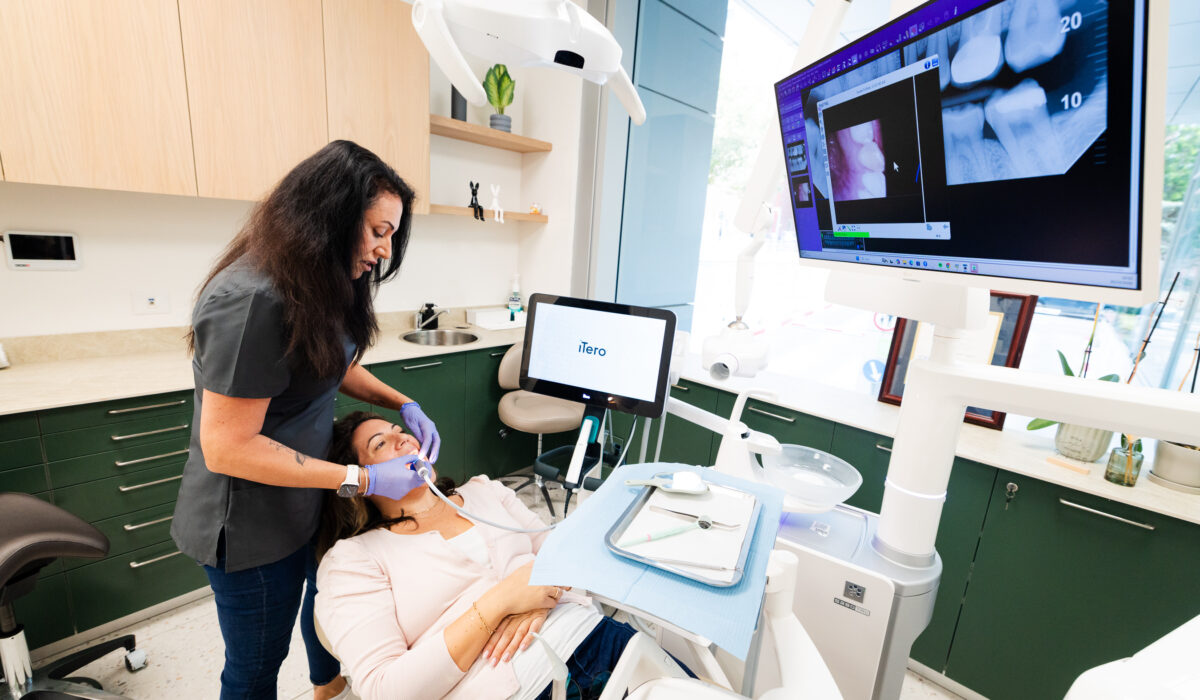
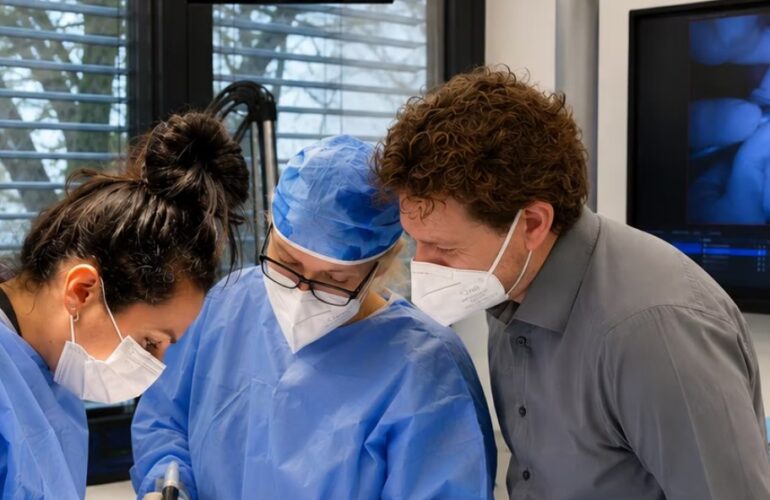
When many teeth are missing, existing teeth are damaged or a denture feels unstable, it helps to assess the mouth as a whole. Full-mouth rehabilitation aims to improve chewing, bite and appearance through a coordinated treatment plan.
Suitability is determined at an individual examination. These signs alone are not a diagnosis.
01
Many missing teeth in one or both arches
02
A removable denture that feels unstable
03
Worn or damaged teeth affecting chewing and appearance
04
Interest in a fixed restoration and greater confidence in your smile
Four stages, a clear plan
This is how treatment usually progresses. The stages, timing and cost are tailored after an individual examination.
01
Comprehensive assessment
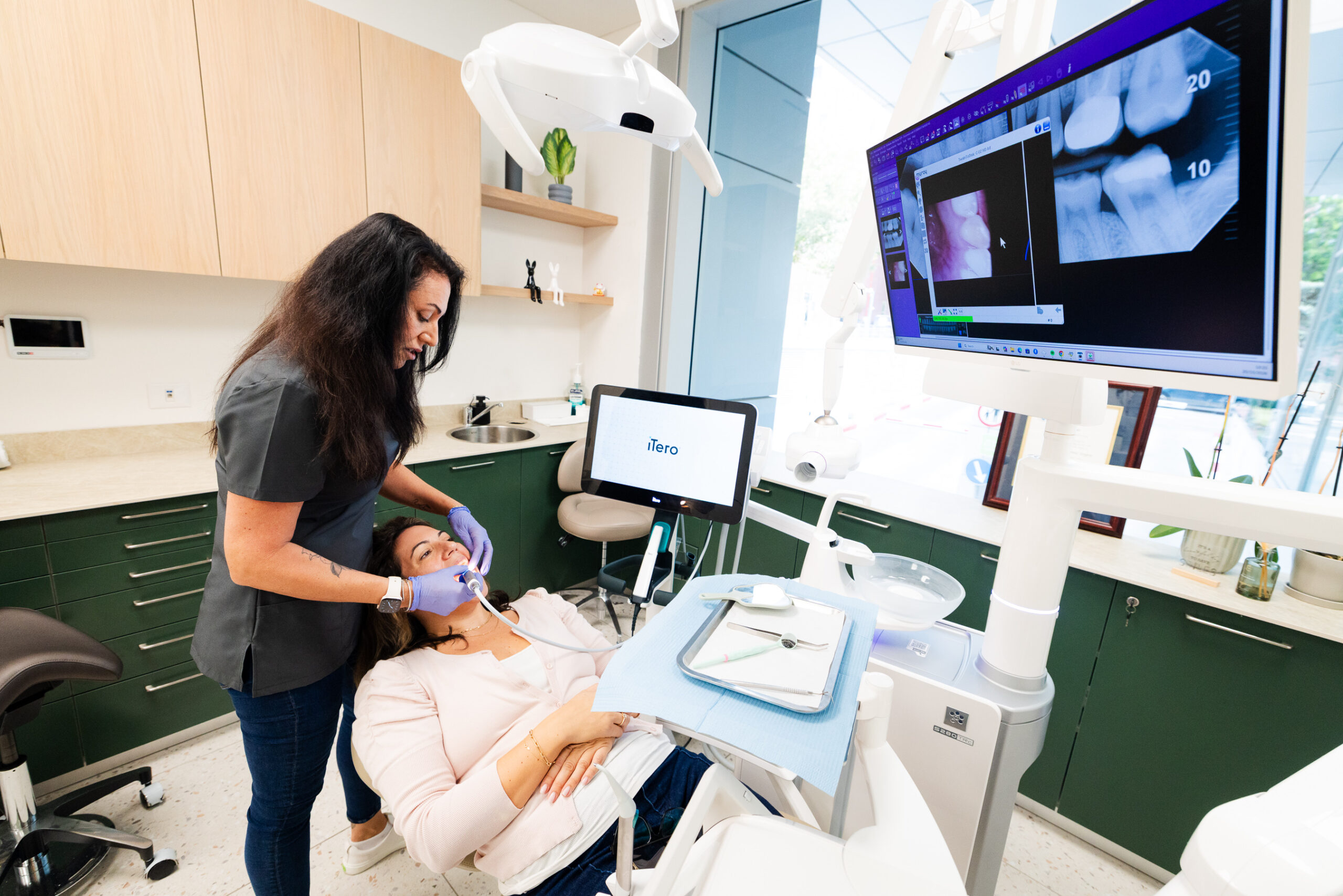
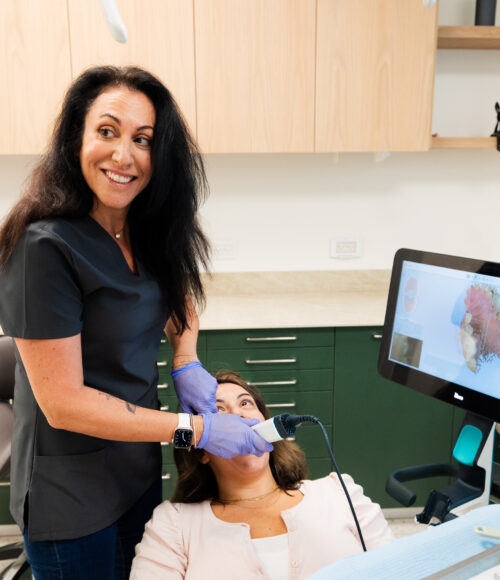
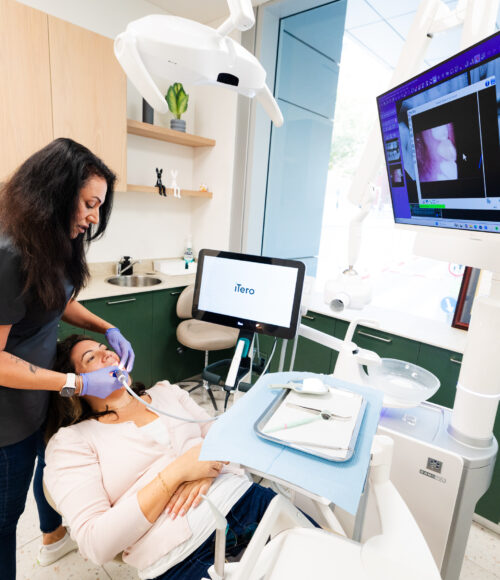
Examination, imaging, CT and digital scanning as indicated by the treatment plan.
02
Planning your restoration
A written plan sets out the options, stages, estimated timeline and cost.
03
Implants and temporary restoration
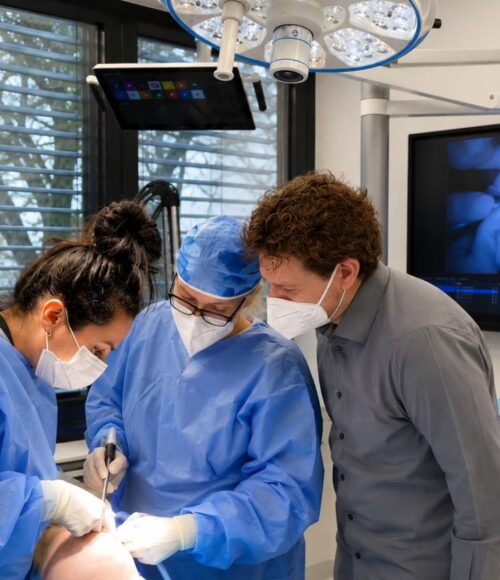
Implants are placed. In suitable cases, fixed temporary teeth may be fitted shortly after placement.
04
Final restoration
The final bridge or crowns are made and the bite carefully adjusted.
Care shaped around you
One coordinated plan for your mouth
Dr. Meytal practices implant-supported rehabilitation and previously served as a demonstrator in the Prosthodontics Department at Hebrew University and Hadassah. Planning considers which teeth can be preserved, appropriate restoration options, stages and costs.
Suitability is determined at an individual examination. These signs alone are not a diagnosis.
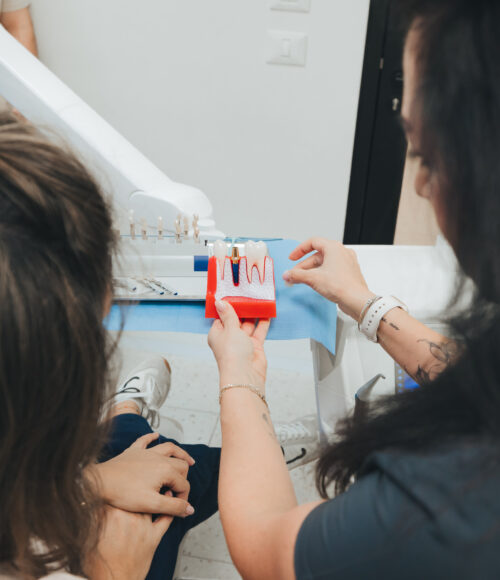
Options may include a fixed bridge on several implants, individual implant crowns or an implant-retained denture. The choice depends on available bone, budget and preferences and is explained during planning.
Immediate loading may be possible in suitable cases. This means attaching temporary teeth to the implants shortly after placement. Suitability is assessed during planning.
The plan is staged according to clinical priorities and healing needs. Some appointments can be arranged around your schedule, but not every stage can safely be postponed.