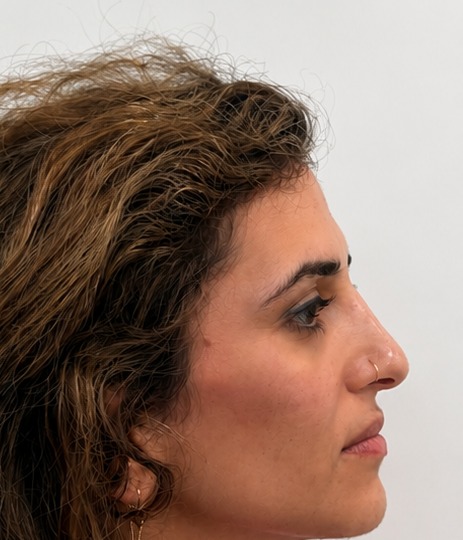
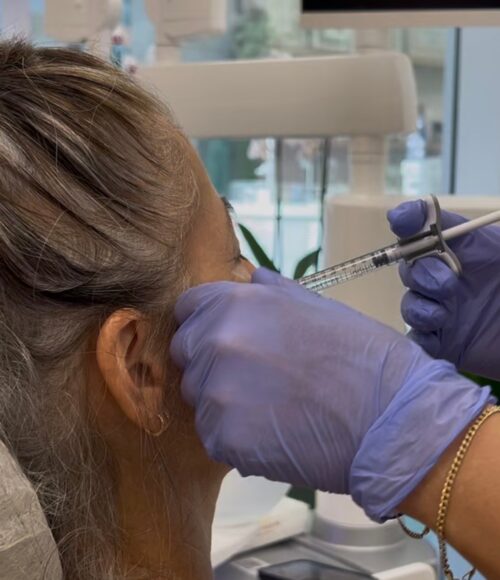
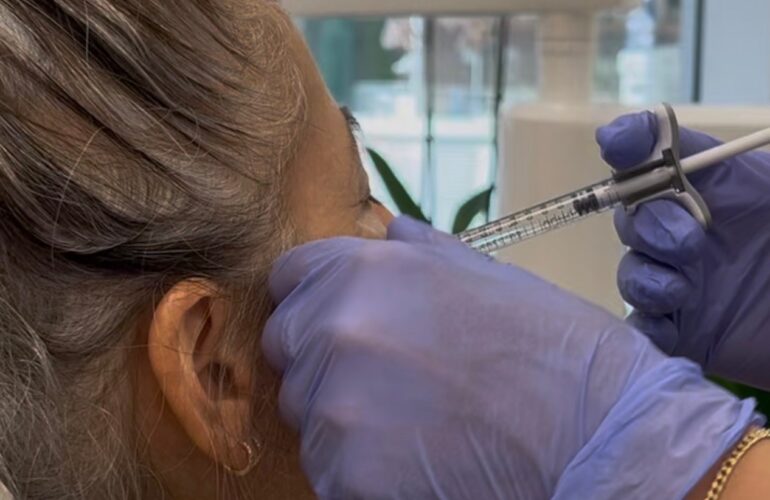
Jaw clenching and teeth grinding may place strain on the chewing muscles. In selected cases, botulinum toxin injections into the masseter muscles may be considered to reduce their activity.
Suitability is determined at an individual examination. These signs alone are not a diagnosis.
01
Teeth grinding or jaw clenching, especially at night
02
Muscle-related jaw, facial or head pain
03
Tooth wear or recurring cracks
04
Difficulty wearing a night guard or a need for additional treatment
Four stages, a clear plan
This is how treatment usually progresses. The stages, timing and cost are tailored after an individual examination.
01
Dental and jaw assessment
A clinical examination assesses tooth wear, cracks and the jaw joints.
02
Imaging when needed
Imaging or further investigation may be recommended where clinically indicated to understand the cause.
03
Targeted injections
Injection sites and amounts are determined at the assessment, with an explanation of side effects and aftercare.
04
Results and follow-up
Effects develop over several days and commonly last around three to six months, although individual responses vary.
Care shaped around you
Botulinum toxin for the chewing muscles
Jaw or head pain can have different causes. We begin by examining your teeth, muscles and jaw joints. Injections are not suitable for every case and do not necessarily replace a night guard or other care. Possible effects and risks are discussed before you decide.
Suitability is determined at an individual examination. These signs alone are not a diagnosis.
An examination helps identify dental problems that need treatment, assess whether injections are appropriate and set realistic expectations for symptom relief.