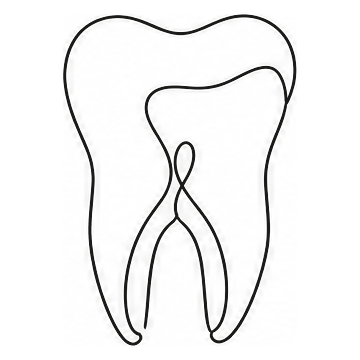
When tissue inside a tooth becomes inflamed or infected, root canal treatment may allow the tooth to be preserved. The root canals are cleaned and disinfected, then sealed.
Suitability is determined at an individual examination. These signs alone are not a diagnosis.
01
Persistent toothache or sensitivity to heat and cold
02
Swelling or tenderness in the gums around a tooth
03
A tooth that has darkened after an injury
04
Deep decay affecting the pulp, identified through assessment
Four stages, a clear plan
This is how treatment usually progresses. The stages, timing and cost are tailored after an individual examination.
01
Assessment and imaging
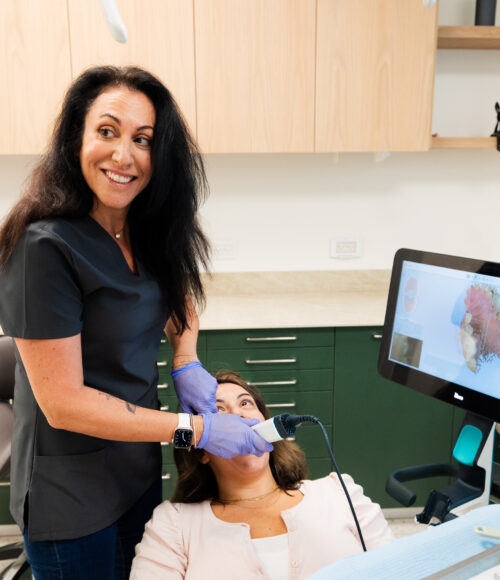
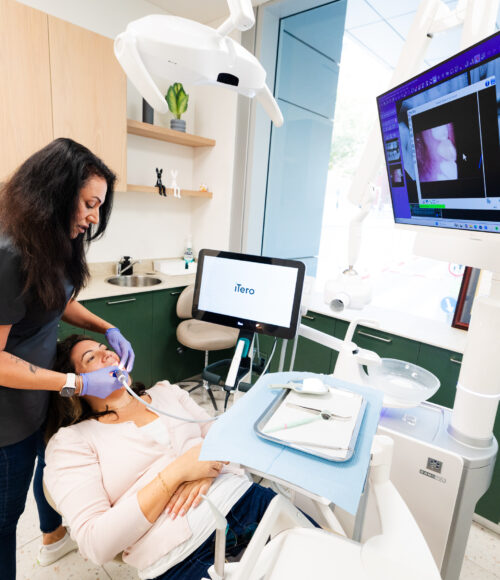
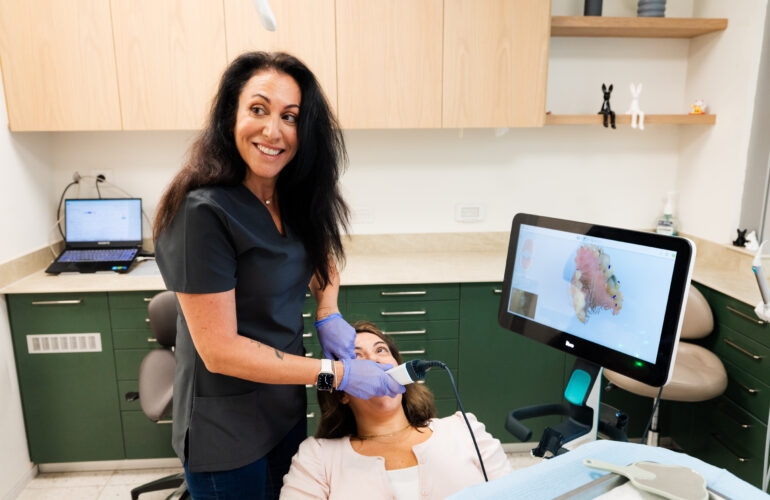
An examination and appropriate digital imaging help assess the roots.
02
Local anesthesia
Numbing gel is used before the injection, with pauses whenever you need them.
03
Cleaning and sealing
The root canals are cleaned, disinfected and sealed.
04
Restoring the tooth
A suitable restoration, and a crown where needed, protects the tooth.
Care shaped around you
Root canal treatment to preserve a tooth
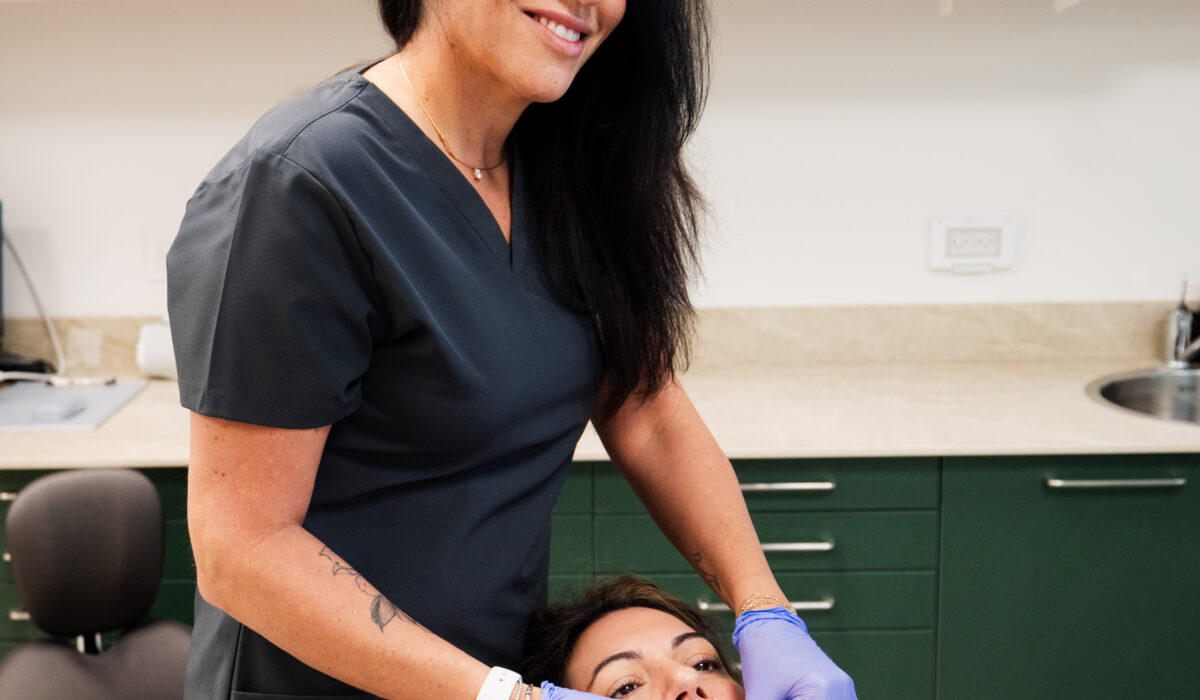
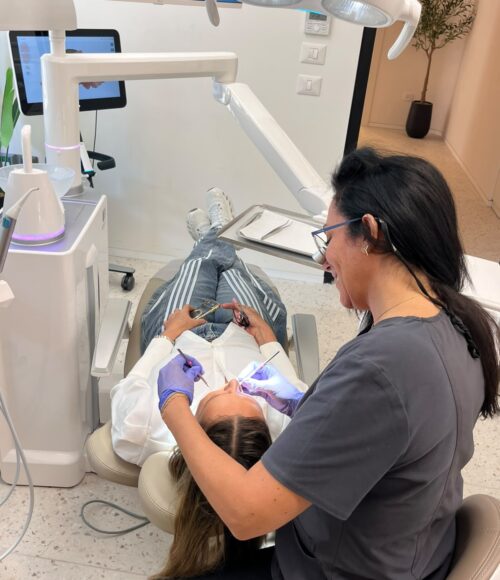
Treatment is performed under local anesthesia. A protective restoration is fitted afterwards, sometimes including a crown. The number of visits and any need for referral to an endodontist depend on the diagnosis and complexity.
Suitability is determined at an individual examination. These signs alone are not a diagnosis.
Local anesthesia is used to reduce pain. Tell us if you feel uncomfortable during treatment. Some tenderness may follow, and you receive aftercare instructions.
The need for a crown depends on how much tooth structure remains and where the tooth is located. A heavily damaged tooth may need coverage to protect against fracture. Not every root-treated tooth needs the same restoration.